

Previous
Next
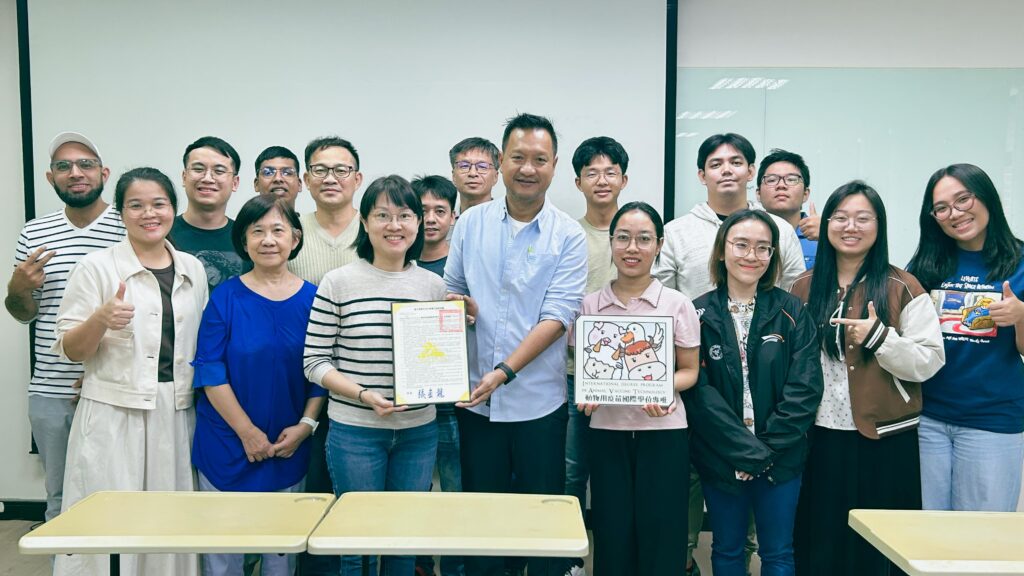
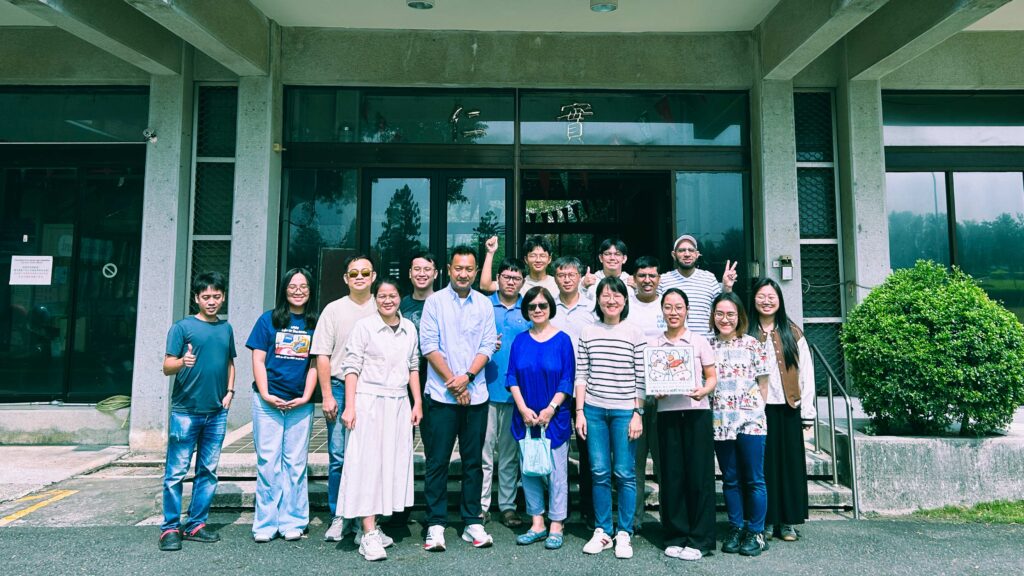
Recently, the International Degree Program in Animal Vaccine Technology (IAVT) successfully held a specialized intensive course featuring guest speaker Asst. Prof. Dr. Dachrit Nilubol from the Department of Veterinary Microbiology, Faculty of Veterinary Science, Chulalongkorn University, Thailand.
The intensive course saw enthusiastic participation from a large number of bachelor’s, master’s, and Ph.D. students across the IAVT department. Throughout the sessions, Asst. Prof. Dr. Dachrit shared a wealth of invaluable insights, seamlessly bridging foundational scientific research with practical, field-based knowledge regarding swine infectious diseases that have significantly impacted the industry in recent years.
His comprehensive lectures provided a deep dive into the epidemiological landscape of these viral diseases, with a specific focus on their prevalence, spread, and economic impact across Southeast Asian countries. The course covered critical pathogens, including Foot-and-Mouth Disease (FMD), African Swine Fever (ASF), and Porcine Circoviruses (PCV). A major highlight of the program was his detailed presentation on the efficacy of currently available commercial vaccines, alongside a critical analysis of the existing challenges and bottlenecks in the development and field application of new vaccines, particularly regarding the complexities of ASF.
The lively exchanges during the course not only addressed current industry hurdles but also explored advanced strategies to combat emerging viral variants, including the potential of innovative approaches such as chimeric protein vaccines targeting PCV2 and PCV3. By equipping students with a robust understanding of both regional disease epidemiology and advanced vaccine research methodologies, this event truly inspired the next generation of veterinary scientists. The course concluded with engaging discussions, leaving attendees with broadened perspectives and practical knowledge crucial for the future of animal health and vaccine technology.