Virbac Expert Shares Insights on Inactivated Vaccine Production Processes at IAVT
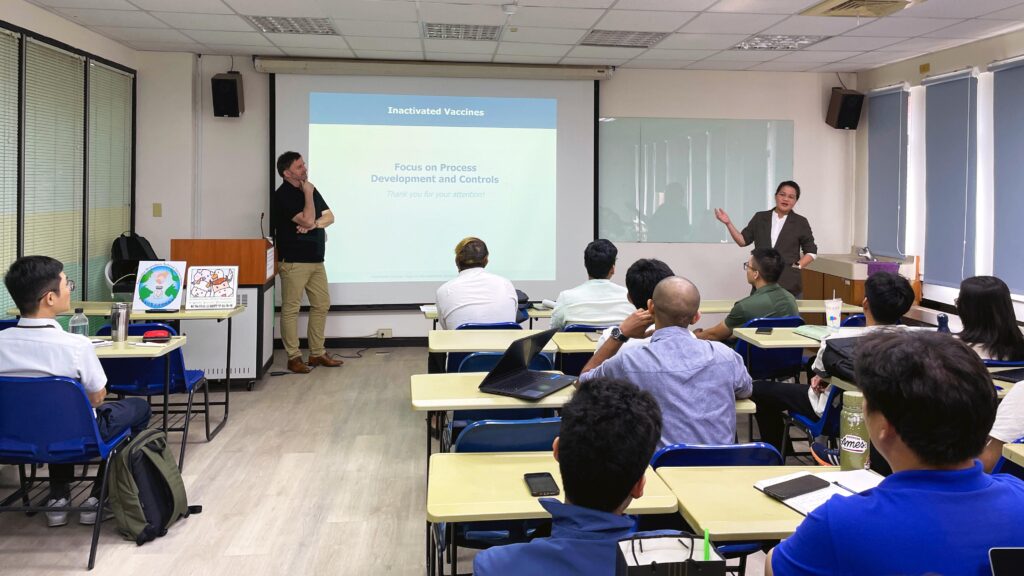
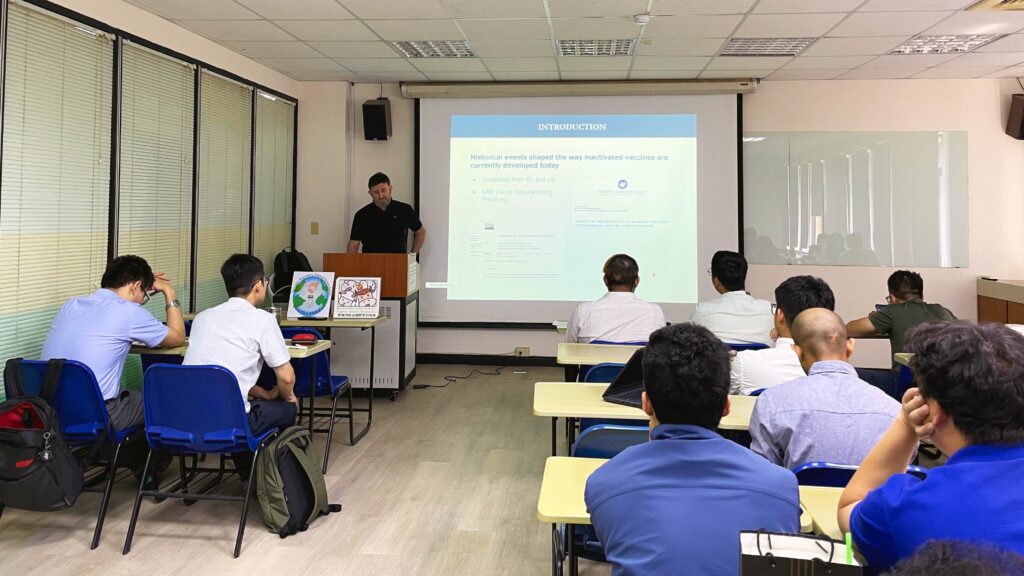
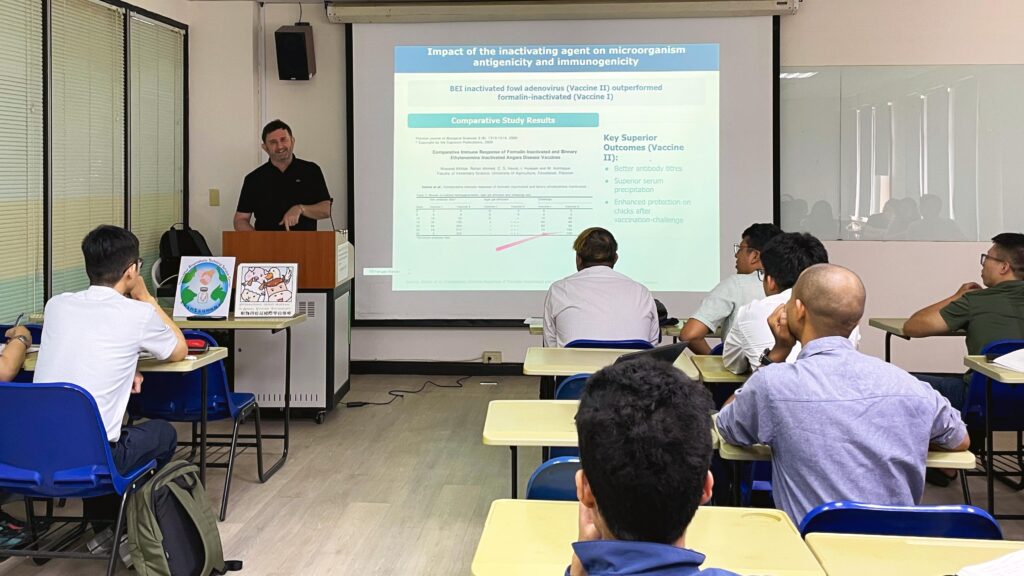
Recently, the Department of International Program in Animal Vaccine Technology (IAVT) at NPUST hosted a special guest lecture featuring Mr. Nicolas Carboulec from Virbac (Taiwan). As part of the “Animal Cell Culture for Vaccine Production” course, Mr. Carboulec shared in-depth expertise on the inactivated vaccine development process, ranging from production optimization to rigorous quality control standards.
Mr. Carboulec emphasized the “blueprint advantage” of inactivated vaccines in preserving the intact structure of the whole virus. He cited the “gold-standard” success of the fully inactivated Rabies vaccine, as well as the long-term protection achieved with a single dose from Hepatitis A (HepA) and Japanese Encephalitis (JE) vaccine platforms. Notably, inactivated vaccines maintain a superior edge in combating the Foot-and-Mouth Disease Virus (FMDV) due to their sterility and ability to handle diverse serotypes.
In the poultry industry, inactivated vaccines remain the preferred choice due to extreme cost sensitivity, broad cross-protection capabilities, and effectiveness in overcoming maternal antibody interference—factors where current mRNA or subunit platforms still face significant limitations.
The lecture also explored a comparison of expression systems (bacterial, yeast, and insect cells) and their post-translational modification (PTM) capabilities. Furthermore, Mr. Carboulec thoroughly analyzed the economic aspects, contrasting the capital expenditure (CapEx) and operational expenditure (OpEx) between traditional and modern platforms.
A crucial part of the session focused on the stringent inactivation control procedures under GMP standards. Mr. Carboulec warned of the severe risks associated with inactivation failure, citing historical FMD outbreaks that could lead to costly lawsuits, loss of GMP certification, and threaten the viability of vaccine production lines spanning decades.
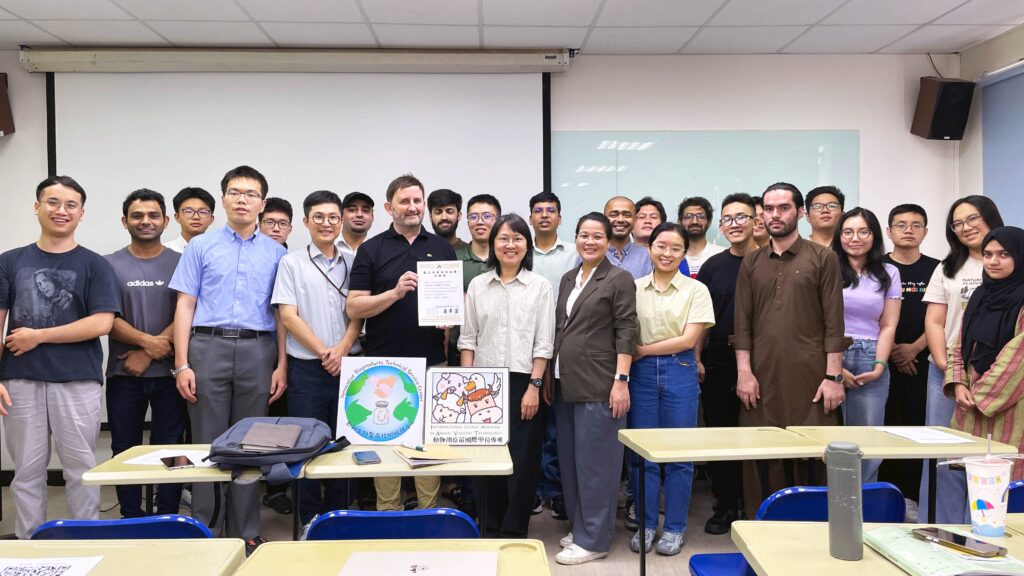
IAVT extends its deepest gratitude to Mr. Nicolas Carboulec and Virbac for taking the time to share their invaluable practical knowledge, helping students gain a firmer grasp of the core technologies in today’s veterinary vaccine production industry.